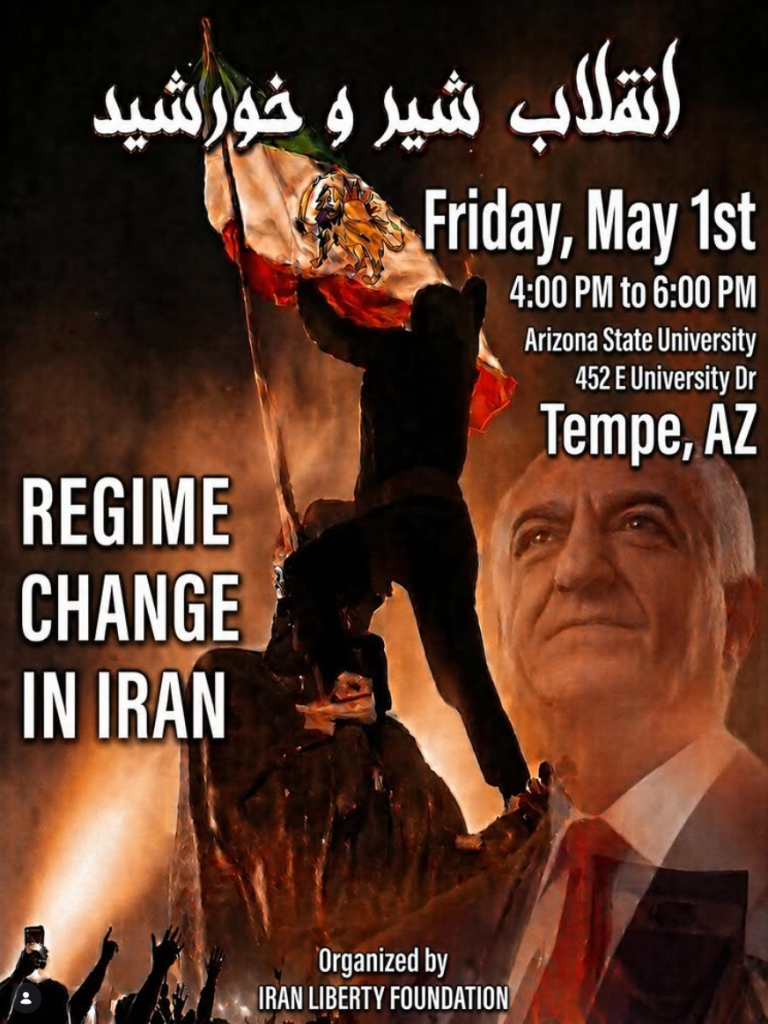
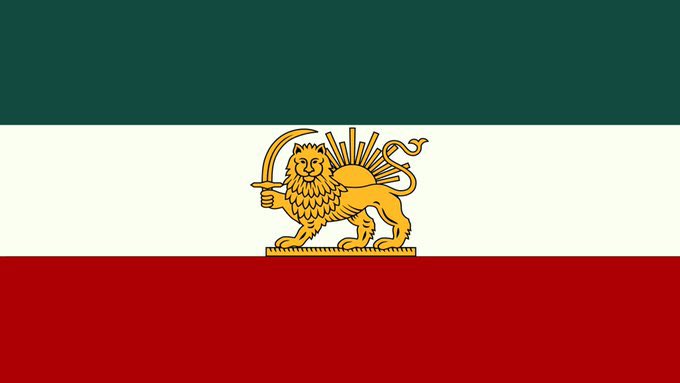
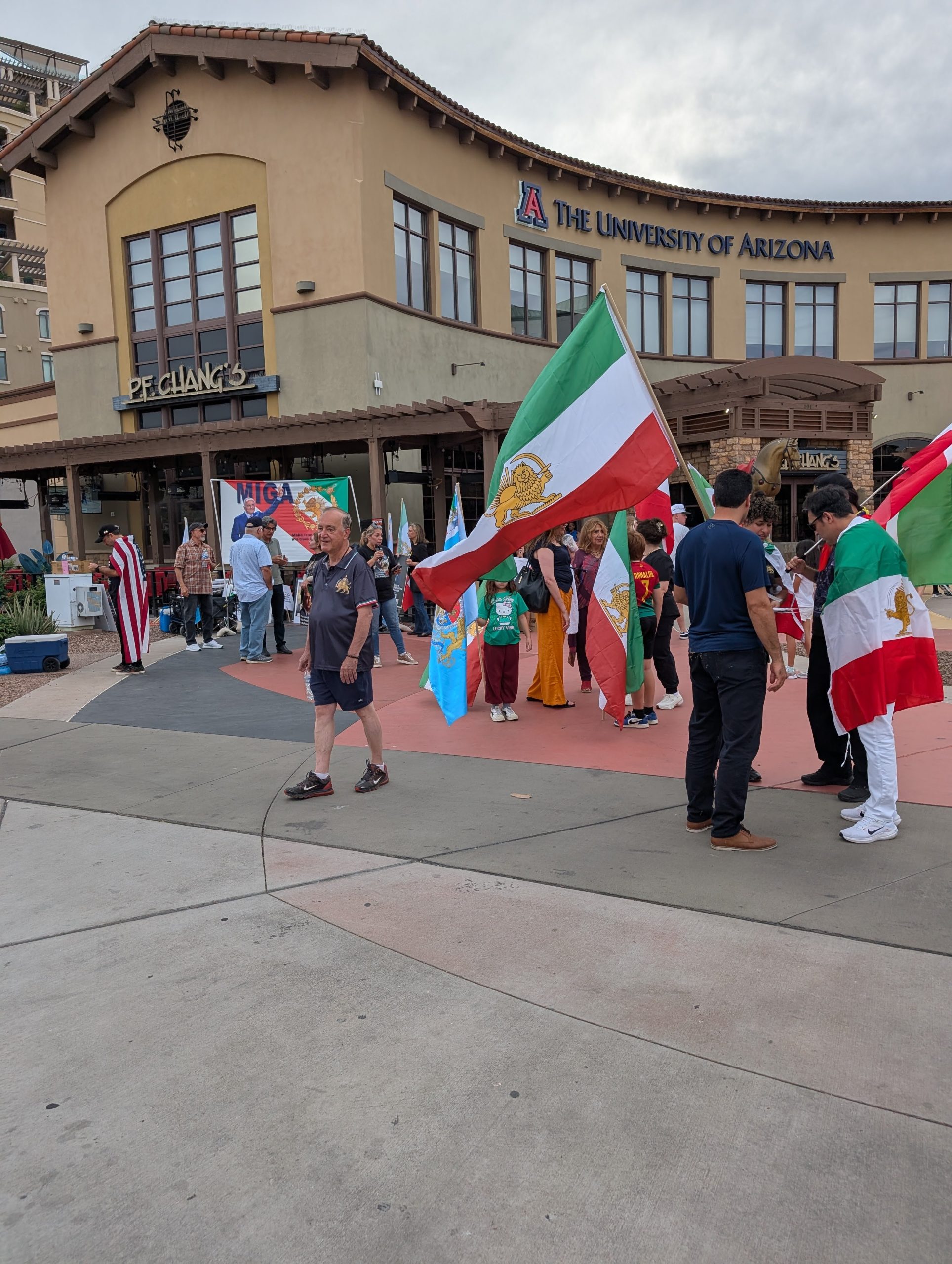
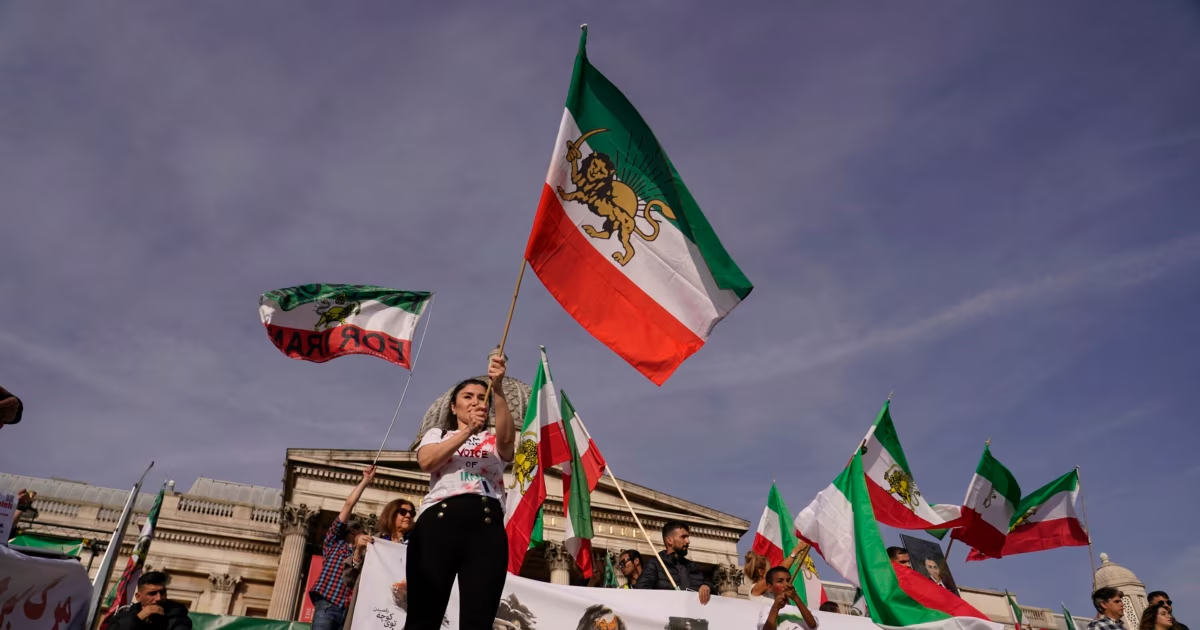
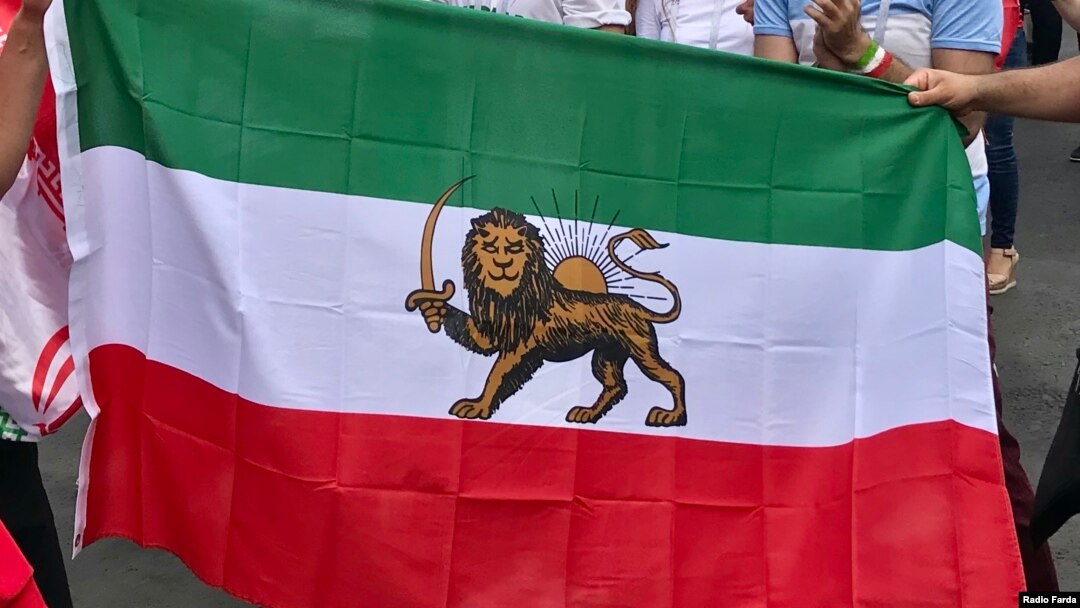
The Lion and Sun Revolution refers to a symbolic and ideological struggle deeply rooted in Iran’s modern history, where the ancient emblem of the Lion and Sun—traditionally representing Persian kingship, national identity, and Shia Islam—became a contested site of political meaning during the 1979 Islamic Revolution. For centuries, the lion holding a sword against a rising sun adorned Iran’s national flag, embodying a synthesis of pre-Islamic and Islamic heritage. However, with the overthrow of the Pahlavi monarchy, the revolutionary forces led by Ayatollah Khomeini sought to dismantle all symbols associated with the imperial regime, condemning the Lion and Sun as a remnant of tyranny and Western-influenced monarchy. In its place, they elevated a purely Islamic emblem, the tulip-like word “Allah,” effectively transforming the nation’s visual identity overnight. This shift was far more than a simple flag redesign; it represented a profound cultural and ideological rupture, marking the triumph of clerical authority over the millennia-old institution of kingship and redefining Iranian nationalism through the exclusive lens of Shia Islam, a tension that continues to resonate in debates over Iranian identity today.